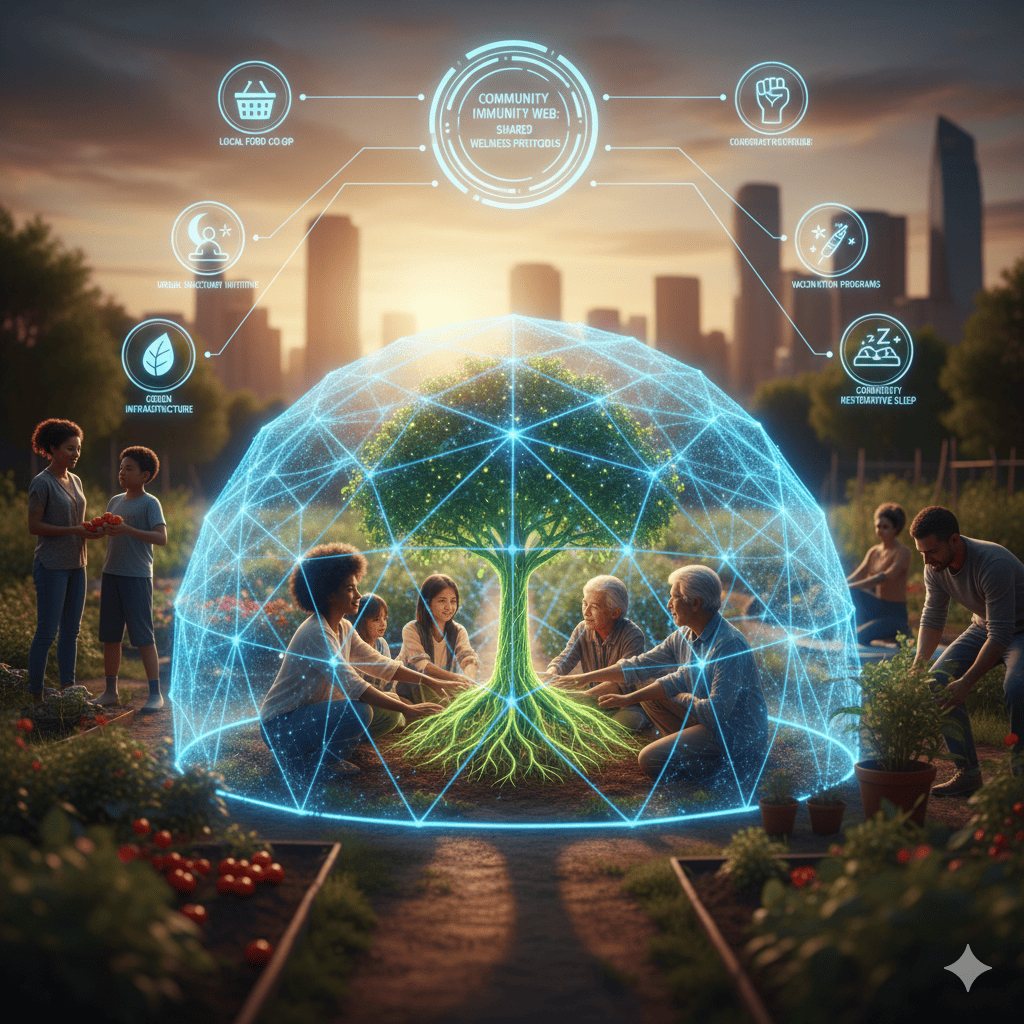
In the pursuit of optimal health, much focus is rightly placed on individual choices: diet, exercise, stress management, and personal supplementation. However, we exist not in isolation, but as interconnected beings within larger social structures. The health of each individual’s immune system is, in fact, profoundly influenced by, and contributes to, the health of the entire collective. This brings us to the crucial concept of Community Immunity – a powerful, yet often undervalued, force that transcends personal well-being to build robust Collective Health and Resilience.
Community Immunity is more than just herd immunity against infectious diseases; it encompasses a broader, more holistic understanding of how shared wellness protocols, collective action, and supportive social and environmental contexts create a powerful web of defense for everyone. When a community thrives, its individuals are better equipped to face health challenges, recover from setbacks, and maintain vitality. When a community struggles, its members often bear a heavier burden.
This comprehensive guide will delve deep into the critical concept of Community Immunity. We will explore how fostering stronger social bonds, promoting public health initiatives, integrating community-level interventions, and nurturing shared resources create an environment where individual immune systems are inherently stronger, leading to profound collective health and resilience.
Get The Best Wellness Shots. Enjoy 75% OFF - Limited Time Offer
SHIELD PLUS+
Fresh Orange | 12 Pack
$960
$
480
🔔Only 2 units left on our site
-
Serving Size: 10ml Daily
-
No' of Bottles: 12 (each 500ml)
-
Total Supply: ~10 Months X 2 People (600 Servings)
Sale
BALANCE PLUS+
Fresh Lemon | 12 Pack
$960
$
480
🔔Only 2 units left on our site
-
Serving Size: 15ml Daily
-
No' of Bottles: 12 (each 500ml)
-
Total Supply: ~6.5 Months X 2 People (396 Servings)
Sale
COMPLETE PLUS+
Fresh Orange | 12 Pack
$1000
$
500
🔔Only 1 units left on our site
-
Serving Size: 10ml Daily
-
No' of Bottles: 12 (each 500ml)
-
Total Supply: ~10 Months X 2 People (600 Servings)
Sale
COLLAGEN PLUS+
Wild Berry | 12 Pack
$1100
$
550
🔔Only 6 units left on our site
-
Serving Size: 15ml Daily
-
No' of Bottles: 12 (each 500ml)
-
Total Supply: ~6.5 Months X 2 People (396 Servings)
Sale
COLLAGEN SUPPORT MAX
Wild Berry | 12 Pack
$1200
$
600
🔔Only 5 units left on our site
-
Serving Size: 15ml Daily
-
No' of Bottles: 12 (each 500ml)
-
Total Supply: ~6.5 Months X 2 People (396 Servings)
Sale
COLLAGEN MARINE MAX
Wild Berry | 12 Pack
$1300
$
650
🔔Only 2 units left on our site
-
Serving Size: 10ml Daily
-
No' of Bottles: 12 (each 500ml)
-
Total Supply: ~10 Months X 2 People (600 Servings)
Sale
Get The Best Wellness Shots. Enjoy 75% OFF - Limited Time Offer
SHIELD PLUS+
Fresh Orange | 12 Pack-
Serving Size: 10ml Daily
-
No' of Bottles: 12 (each 500ml)
-
Total Supply: ~10 Months X 2 People (600 Servings)
BALANCE PLUS+
Fresh Lemon | 12 Pack-
Serving Size: 15ml Daily
-
No' of Bottles: 12 (each 500ml)
-
Total Supply: ~6.5 Months X 2 People (396 Servings)
COMPLETE PLUS+
Fresh Orange | 12 Pack-
Serving Size: 10ml Daily
-
No' of Bottles: 12 (each 500ml)
-
Total Supply: ~10 Months X 2 People (600 Servings)
COLLAGEN PLUS+
Wild Berry | 12 Pack-
Serving Size: 15ml Daily
-
No' of Bottles: 12 (each 500ml)
-
Total Supply: ~6.5 Months X 2 People (396 Servings)
COLLAGEN SUPPORT MAX
Wild Berry | 12 Pack-
Serving Size: 15ml Daily
-
No' of Bottles: 12 (each 500ml)
-
Total Supply: ~6.5 Months X 2 People (396 Servings)
COLLAGEN MARINE MAX
Wild Berry | 12 Pack-
Serving Size: 10ml Daily
-
No' of Bottles: 12 (each 500ml)
-
Total Supply: ~10 Months X 2 People (600 Servings)
Pillar 1: Beyond Herd Immunity – A Holistic Definition of Community Immunity
While herd immunity primarily refers to indirect protection from infectious disease when a large percentage of the population is immune (e.g., through vaccination), our broader definition of Community Immunity encompasses a far more extensive network of influences.
Key Components of Holistic Community Immunity:
- Shared Health Infrastructure:
- Public Health Systems: Accessible healthcare, disease surveillance, sanitation, clean water, and vaccination programs.
- Emergency Preparedness: Community plans for rapid response to health crises, natural disasters, and pandemics.
- Health Education: Widespread, accurate information on nutrition, hygiene, mental health, and preventative care.
- Environmental Health:
- Clean Air & Water: Regulations and initiatives to reduce pollution.
- Green Spaces: Access to parks, nature reserves, and urban gardens that reduce stress, promote physical activity, and enhance biodiversity.
- Safe Housing: Free from mold, lead, and other environmental toxins.
- Social Cohesion & Support:
- Strong Social Bonds: Networks of family, friends, and community groups that provide emotional, practical, and informational support.
- Civic Engagement: Active participation in local decision-making and community-building initiatives.
- Reduced Social Isolation: Programs and spaces that foster connection, especially for vulnerable populations (elderly, new parents).
- Economic Well-being & Equity:
- Access to Nutritious Food: Food security, farmers’ markets, community gardens, and programs that combat “food deserts.”
- Stable Employment & Income: Reduces chronic stress and enables access to healthy living.
- Reduced Inequality: Addressing systemic disparities that disproportionately affect the health of marginalized groups.
- Collective Lifestyle & Culture:
- Prioritization of Wellness: Community norms that encourage healthy eating, active lifestyles, stress reduction, and mental health awareness.
- Shared Values: Emphasis on empathy, cooperation, and mutual support.
Pillar 2: The Mechanisms of Collective Impact – How Community Shapes Individual Immunity
The influence of community on individual immune systems is multifaceted, operating through direct biological pathways, psychosocial factors, and environmental determinants.
- Reduced Pathogen Load & Spread:
- Herd Immunity: High vaccination rates protect not only the vaccinated but also those who cannot be vaccinated (e.g., infants, immunocompromised individuals), drastically reducing the circulation of dangerous pathogens.
- Sanitation & Hygiene: Community-wide clean water, sewage systems, and public health campaigns on handwashing reduce the overall burden of infectious agents.
- Stress Reduction & Psychosocial Buffering:
- Social Support: Strong community ties provide emotional and practical support, buffering the impact of individual stressors. This reduces chronic cortisol and systemic inflammation, directly benefiting immune function.
- Reduced Loneliness: Social isolation is a known promoter of chronic inflammation and immune dysregulation. Connected communities actively combat loneliness.
- Sense of Belonging: Feeling part of a supportive community reduces feelings of threat and enhances a sense of security, activating the parasympathetic nervous system and promoting immune balance.
- Enhanced Access to Resources:
- Nutrient Security: Communities with farmers’ markets, food co-ops, and urban gardens ensure greater access to fresh, nutrient-dense foods, which directly fuel individual immune systems.
- Safe Spaces for Activity: Parks, bike lanes, community recreation centers enable physical activity, a powerful immune modulator.
- Health Literacy: Community health education empowers individuals with knowledge to make informed decisions for their immune health.
- Environmental Quality:
- Clean Air & Water: A community committed to environmental protection reduces individual exposure to pollutants that trigger inflammation and compromise immune cells.
- Green Infrastructure: Urban trees, parks, and green spaces have been shown to reduce stress, improve mental health, and even encourage beneficial microbial exposure.
- Reduced Chronic Disease Burden:
- Collective Health Promotion: Communities that collectively prioritize healthy eating and active lifestyles see lower rates of obesity, diabetes, and cardiovascular disease – conditions that are significant drivers of chronic inflammation and immune dysfunction.
Pillar 3: Building a Resilient Community Web – Actionable Strategies
Fostering Community Immunity requires intentional, collaborative efforts across various sectors.
1. Strengthening Public Health & Healthcare Access:
- Advocate for Robust Public Health Funding: Support local and national public health initiatives, including disease surveillance, prevention programs, and community clinics.
- Promote Vaccination: Encourage high vaccination rates within the community to protect everyone.
- Accessible Healthcare: Work towards systems that ensure everyone has access to preventative care, diagnostics, and treatment, regardless of socioeconomic status.
- Sanitation & Infrastructure: Invest in and maintain modern sanitation systems and clean water infrastructure.
2. Cultivating Food Security & Nutrient-Dense Environments:
- Community Gardens & Urban Farms: Establish and support local initiatives that provide access to fresh produce, promote healthy eating, and foster social connection.
- Farmers’ Markets & Food Co-ops: Support local food systems that make nutritious, often organic, food accessible.
- Healthy Food Policies: Advocate for policies that promote healthy food choices in schools, workplaces, and public institutions.
- Nutrition Education: Offer community workshops on healthy cooking, meal planning, and the importance of nutrient-dense foods for immune health.
3. Designing for Active Living & Green Spaces:
- Walkable & Bikeable Communities: Support urban planning that prioritizes pedestrian and cyclist infrastructure.
- Develop & Maintain Parks/Green Spaces: Ensure equitable access to well-maintained parks, trails, and natural areas for physical activity, stress reduction, and exposure to beneficial microbes.
- Community Recreation Programs: Offer affordable or free fitness classes, sports leagues, and outdoor activities for all ages.
4. Fostering Social Cohesion & Mental Well-being:
- Community Centers & Gathering Spaces: Create and support inclusive spaces where people can connect, learn, and socialize.
- Volunteer Programs: Encourage civic engagement and volunteering, which build social capital and a sense of purpose.
- Intergenerational Programs: Create opportunities for different age groups to interact, reducing loneliness and fostering mutual support.
- Mental Health Support: Advocate for accessible mental health services, stress reduction workshops, and awareness campaigns to destigmatize mental health challenges.
- “Third Places”: Support local cafes, libraries, and businesses that act as informal gathering spots, fostering spontaneous social interaction.
5. Prioritizing Environmental Stewardship:
- Advocate for Clean Air & Water: Support policies that reduce pollution from industry, transportation, and agriculture.
- Recycling & Waste Reduction Programs: Implement robust community-wide initiatives.
- Green Building Practices: Encourage the use of non-toxic, sustainable materials in construction and renovation.
- Community Clean-up Days: Organize events that engage residents in improving their local environment.
6. Empowering Health Literacy & Education:
- Accessible Information: Provide clear, evidence-based information on hygiene, preventative measures, nutrition, and lifestyle choices through community newsletters, websites, and workshops.
- Peer-to-Peer Education: Train community members to act as health advocates and educators.
- Digital Literacy: Ensure all community members have access to reliable internet and skills to navigate online health information responsibly.
Pillar 4: The Individual’s Role in Collective Immunity
While community structures are vital, individual actions profoundly contribute to the collective.
- Practice Good Hygiene: Handwashing, covering coughs/sneezes, and staying home when sick protects not only yourself but also the vulnerable in your community.
- Get Vaccinated: When eligible and appropriate, vaccination is a direct contribution to herd immunity and protects the collective.
- Support Local: Choose local businesses, farmers’ markets, and community initiatives that reinforce the local economy and healthy food systems.
- Volunteer & Engage: Participate in community gardens, clean-up drives, or social programs.
- Be a Health Advocate: Share accurate health information, encourage healthy habits, and support public health measures.
- Cultivate Empathy: Understand that individual health choices have ripple effects on the entire community, especially on those who are more vulnerable.
Conclusion
The concept of Community Immunity challenges us to broaden our understanding of health beyond the individual. It reveals that our personal well-being is deeply interwoven with the health, resilience, and vitality of the communities we inhabit. By intentionally fostering stronger social bonds, supporting robust public health infrastructures, promoting environmental stewardship, and championing equitable access to nutritious food and safe spaces, we don’t just protect individuals – we build a powerful, adaptive web of collective defense.
This holistic approach to Community Immunity creates an environment where every individual’s immune system is inherently stronger, better nourished, less stressed, and more resilient. It is a testament to the profound truth that we are stronger together. Embrace the power of community, and contribute to building a collective health and resilience that uplifts and protects everyone. Your health is, in many ways, your community’s health, and together, we can build a thriving, immune-resilient future.