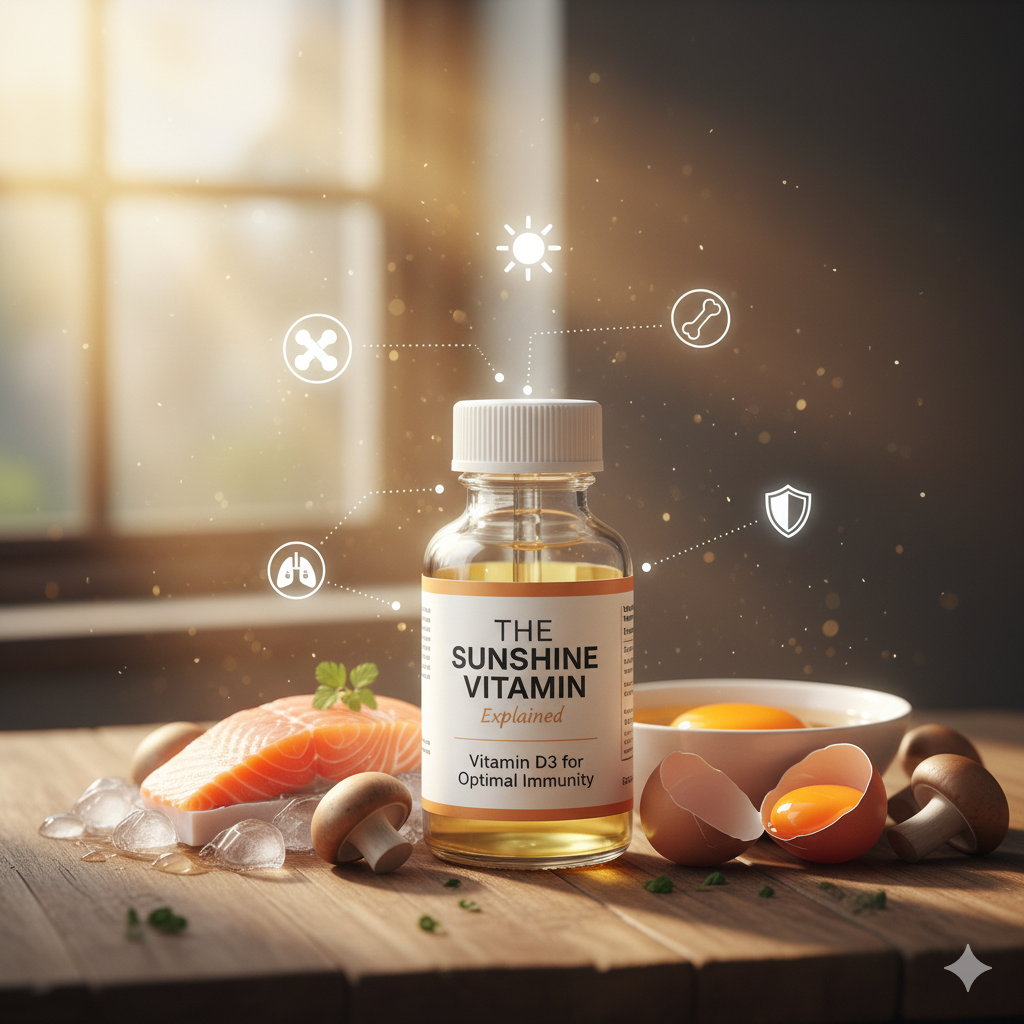
For decades, Vitamin D was primarily lauded for its indispensable role in bone health, helping the body absorb calcium and phosphorus. While this function remains paramount, scientific understanding of Vitamin D has expanded dramatically, revealing its profound influence as a powerful hormone-like substance that impacts nearly every system in the body – especially the immune system.
Specifically, we’re talking about Vitamin D3 (cholecalciferol), the form your skin produces when exposed to sunlight and the most effective form for human health. Often dubbed “the sunshine vitamin,” Vitamin D3 is now recognized as a critical modulator of immune function, an essential component for fighting off infections, and a key player in preventing chronic disease.
Despite its importance, Vitamin D deficiency is a global epidemic, affecting an estimated 1 billion people worldwide. This widespread deficiency has significant implications for public health, particularly concerning immune resilience.
Get The Best Wellness Shots. Enjoy 75% OFF - Limited Time Offer
SHIELD PLUS+
Fresh Orange | 12 Pack
$960
$
480
🔔Only 2 units left on our site
-
Serving Size: 10ml Daily
-
No' of Bottles: 12 (each 500ml)
-
Total Supply: ~10 Months X 2 People (600 Servings)
Sale
BALANCE PLUS+
Fresh Lemon | 12 Pack
$960
$
480
🔔Only 2 units left on our site
-
Serving Size: 15ml Daily
-
No' of Bottles: 12 (each 500ml)
-
Total Supply: ~6.5 Months X 2 People (396 Servings)
Sale
COMPLETE PLUS+
Fresh Orange | 12 Pack
$1000
$
500
🔔Only 1 units left on our site
-
Serving Size: 10ml Daily
-
No' of Bottles: 12 (each 500ml)
-
Total Supply: ~10 Months X 2 People (600 Servings)
Sale
COLLAGEN PLUS+
Wild Berry | 12 Pack
$1100
$
550
🔔Only 6 units left on our site
-
Serving Size: 15ml Daily
-
No' of Bottles: 12 (each 500ml)
-
Total Supply: ~6.5 Months X 2 People (396 Servings)
Sale
COLLAGEN SUPPORT MAX
Wild Berry | 12 Pack
$1200
$
600
🔔Only 5 units left on our site
-
Serving Size: 15ml Daily
-
No' of Bottles: 12 (each 500ml)
-
Total Supply: ~6.5 Months X 2 People (396 Servings)
Sale
COLLAGEN MARINE MAX
Wild Berry | 12 Pack
$1300
$
650
🔔Only 2 units left on our site
-
Serving Size: 10ml Daily
-
No' of Bottles: 12 (each 500ml)
-
Total Supply: ~10 Months X 2 People (600 Servings)
Sale
Get The Best Wellness Shots. Enjoy 75% OFF - Limited Time Offer
SHIELD PLUS+
Fresh Orange | 12 Pack-
Serving Size: 10ml Daily
-
No' of Bottles: 12 (each 500ml)
-
Total Supply: ~10 Months X 2 People (600 Servings)
BALANCE PLUS+
Fresh Lemon | 12 Pack-
Serving Size: 15ml Daily
-
No' of Bottles: 12 (each 500ml)
-
Total Supply: ~6.5 Months X 2 People (396 Servings)
COMPLETE PLUS+
Fresh Orange | 12 Pack-
Serving Size: 10ml Daily
-
No' of Bottles: 12 (each 500ml)
-
Total Supply: ~10 Months X 2 People (600 Servings)
COLLAGEN PLUS+
Wild Berry | 12 Pack-
Serving Size: 15ml Daily
-
No' of Bottles: 12 (each 500ml)
-
Total Supply: ~6.5 Months X 2 People (396 Servings)
COLLAGEN SUPPORT MAX
Wild Berry | 12 Pack-
Serving Size: 15ml Daily
-
No' of Bottles: 12 (each 500ml)
-
Total Supply: ~6.5 Months X 2 People (396 Servings)
COLLAGEN MARINE MAX
Wild Berry | 12 Pack-
Serving Size: 10ml Daily
-
No' of Bottles: 12 (each 500ml)
-
Total Supply: ~10 Months X 2 People (600 Servings)
Are you getting enough Vitamin D3 for optimal immunity? Let’s shed some light on this vital nutrient.
What Exactly is Vitamin D3 and Why is it So Special?
Unlike most other vitamins, Vitamin D3 functions more like a hormone. When your skin is exposed to ultraviolet B (UVB) rays from sunlight, it synthesizes Vitamin D3 from a cholesterol precursor. This D3 is then converted in the liver and kidneys into its active form, calcitriol, which then travels throughout your body, interacting with receptors found on almost every cell type – including immune cells.
This widespread receptor presence underscores its pervasive influence. It’s not just a nutrient; it’s a master regulator, flipping genes on and off that control a multitude of bodily processes, including immune responses, cell growth, and inflammation.
The Profound Impact of Vitamin D3 on Your Immune System
The immune system is a complex network, and Vitamin D3 plays a multifaceted role in its optimal functioning. Its influence extends to both the innate (first-line defense) and adaptive (targeted, memory-based defense) branches of immunity.
- Activates Immune Cells: Almost every immune cell – including T cells, B cells, macrophages, and dendritic cells – has Vitamin D receptors. This means Vitamin D3 directly influences their activation, proliferation, and function. When Vitamin D levels are sufficient, these cells are primed and ready to identify and neutralize threats more effectively. Conversely, low levels can leave your immune system sluggish and less responsive.
- Enhances Innate Immunity (Your First Line of Defense): Vitamin D3 stimulates the production of antimicrobial peptides (AMPs), such as cathelicidins and defensins. These AMPs act like your body’s natural antibiotics, directly attacking bacteria, viruses, and fungi. They are particularly important in epithelial tissues (like those lining your respiratory and digestive tracts), providing a crucial defense against invading pathogens before they can establish an infection.
- Modulates Inflammatory Response: An overactive or dysregulated immune response can lead to chronic inflammation, which is detrimental to health and implicated in many chronic diseases. Vitamin D3 helps to regulate the immune system, tempering excessive inflammatory reactions while still allowing for an effective defense against pathogens. This balancing act is vital for preventing autoimmune issues and ensuring the immune system responds appropriately without overreacting.
- Reduces Risk of Respiratory Infections: A significant body of research has shown a strong correlation between adequate Vitamin D levels and a reduced risk of acute respiratory tract infections, including the common cold, influenza, and even more severe conditions. This is attributed to its role in enhancing innate immunity and modulating inflammatory responses in the respiratory tract.
- Supports Autoimmune Health: There is growing evidence that Vitamin D3 may play a role in preventing and managing autoimmune diseases, where the immune system mistakenly attacks the body’s own tissues. Its immune-modulating properties help to fine-tune immune responses, potentially reducing the likelihood of such misguided attacks.
Are You Getting Enough? Telltale Signs of Deficiency
Given its importance, recognizing the signs of Vitamin D3 deficiency is crucial. Unfortunately, many of the symptoms are non-specific and can often be attributed to other factors.
Common signs and risk factors for low Vitamin D3 include:
- Frequent Illness or Infections: If you find yourself constantly catching colds or battling recurrent infections, your immune system might be compromised by low Vitamin D.
- Persistent Fatigue and Low Energy: Chronic tiredness that doesn’t improve with rest is a common symptom.
- Bone or Back Pain: Due to its role in calcium absorption, deficiency can lead to bone pain and fragility.
- Muscle Weakness or Aches: Vitamin D plays a role in muscle function.
- Depressed Mood: Studies have linked low Vitamin D levels to an increased risk of depression.
- Slow Wound Healing: Immune cells involved in healing rely on adequate Vitamin D.
- Hair Loss: Sometimes associated with severe deficiency.
- Darker Skin Tone: Melanin, the pigment that makes skin darker, reduces the skin’s ability to produce Vitamin D from sunlight.
- Limited Sun Exposure: Spending most of your time indoors, living in northern latitudes with less intense sunlight, or consistently using sunscreen can significantly limit D3 production.
- Older Age: The skin’s ability to synthesize Vitamin D decreases with age.
- Obesity: Body fat can sequester Vitamin D, making it less available in the bloodstream.
- Certain Medical Conditions: Conditions affecting fat absorption (e.g., Crohn’s disease, celiac disease) or liver/kidney disease can impair Vitamin D metabolism.
The only definitive way to know your Vitamin D status is through a blood test (specifically, a 25-hydroxyvitamin D test). Discuss this with your healthcare provider, especially if you experience any of the symptoms above or fall into a high-risk category.
How to Ensure Optimal Vitamin D3 Levels
Maintaining adequate Vitamin D3 levels is a critical year-round strategy for robust immune health and overall well-being.
- Sunlight Exposure (The Primary Source):
- Aim for smart sun exposure: 10-30 minutes of direct midday sun exposure several times a week, exposing a good portion of your skin (arms, legs, back), without sunscreen.
- Be mindful of limitations: The effectiveness of sun exposure varies greatly depending on your skin tone, geographic location, season, time of day, and cloud cover. In many regions, especially during winter, it’s impossible to synthesize enough D3 from the sun.
- Dietary Sources (Limited but Helpful):
- Very few foods naturally contain significant amounts of Vitamin D3. The best natural sources are fatty fish like salmon, mackerel, sardines, tuna, and cod liver oil.
- Small amounts are found in egg yolks and some mushrooms.
- Many foods are fortified with Vitamin D, such as milk, certain cereals, and orange juice. However, it can be challenging to meet optimal daily requirements through diet alone.
- Supplementation (Often Necessary for Optimal Immunity):
- For many, particularly those with limited sun exposure, darker skin tones, or who are older, Vitamin D3 supplementation is the most reliable and effective way to achieve and maintain optimal levels.
- Dosage: This can vary widely depending on individual needs, current deficiency levels, and geographic location. A common daily maintenance dose for adults might range from 2,000 to 5,000 IU (International Units), but your healthcare provider can recommend a precise dosage based on your blood test results.
- Formulation: Vitamin D3 is fat-soluble, so taking it with a meal containing some fat can enhance absorption. Liquid Vitamin D3 supplements can be highly effective and easily absorbed, especially when combined with a healthy fat base or taken alongside a meal.
- Synergy with Vitamin K2: For comprehensive bone and cardiovascular health, Vitamin D3 is often recommended to be taken with Vitamin K2, which helps direct calcium to the bones and away from arteries.
Conclusion
Vitamin D3 is no longer just “the bone vitamin.” It stands as a cornerstone of immune health, a vital hormone-like substance that arms your body’s defenses, modulates inflammation, and plays a crucial role in preventing recurrent infections and supporting overall resilience.
Given the widespread prevalence of deficiency and the difficulty of obtaining sufficient amounts solely through diet and sun, strategic supplementation with a high-quality Vitamin D3 product has become a critical year-round strategy for optimal health. Don’t let your immune system be caught in the dark. Talk to your doctor, get your levels checked, and ensure you’re harnessing the full power of the sunshine vitamin for a stronger, healthier you.